<?xml version="1.0" encoding="UTF-8"?>
<rss version="2.0"
	xmlns:content="http://purl.org/rss/1.0/modules/content/"
	xmlns:wfw="http://wellformedweb.org/CommentAPI/"
	xmlns:dc="http://purl.org/dc/elements/1.1/"
	xmlns:atom="http://www.w3.org/2005/Atom"
	xmlns:sy="http://purl.org/rss/1.0/modules/syndication/"
	xmlns:slash="http://purl.org/rss/1.0/modules/slash/"
	>

<channel>
	<title>blaze!</title>
	<atom:link href="http://www.columbialighting.com/blog/?feed=rss2" rel="self" type="application/rss+xml" />
	<link>http://www.columbialighting.com/blog</link>
	<description>LEADING THE WAY IN LIGHTING NEWS</description>
	<lastBuildDate>Wed, 16 May 2012 17:32:12 +0000</lastBuildDate>
	<language>en</language>
	<sy:updatePeriod>hourly</sy:updatePeriod>
	<sy:updateFrequency>1</sy:updateFrequency>
			<item>
		<title>New Alera Lighting Family is Ahead of the Curv</title>
		<link>http://www.columbialighting.com/blog/?p=2353</link>
		<comments>http://www.columbialighting.com/blog/?p=2353#comments</comments>
		<pubDate>Wed, 16 May 2012 17:32:12 +0000</pubDate>
		<dc:creator>cbolt</dc:creator>
				<category><![CDATA[Products]]></category>
		<category><![CDATA[Alera Lighting]]></category>
		<category><![CDATA[curv radial]]></category>
		<category><![CDATA[curv radial baffle]]></category>
		<category><![CDATA[cvl]]></category>
		<category><![CDATA[cvrl]]></category>
		<category><![CDATA[express]]></category>
		<category><![CDATA[family]]></category>
		<category><![CDATA[Hubbell Lighting]]></category>
		<category><![CDATA[perfed baffle]]></category>
		<category><![CDATA[Quick Ship]]></category>

		<guid isPermaLink="false">http://www.columbialighting.com/blog/?p=2353</guid>
		<description><![CDATA[May 15, 2012: Greenville, SC Alera Lighting rolls out a new radial shielding family designed for its center optic curvature suspended lighting system. Available for shipment within 10 business days as part of Alera Express, the new Curv lenses and shieldings feature a modern aesthetic in a variety of designs. The Curv radial baffle option [...]]]></description>
			<content:encoded><![CDATA[<p><a href="http://www.columbialighting.com/blog/wp-content/uploads/2012/05/curv_radial.jpg"><img class="alignnone size-full wp-image-2354" title="curv_radial" src="http://www.columbialighting.com/blog/wp-content/uploads/2012/05/curv_radial.jpg" alt="" width="568" height="262" /></a></p>
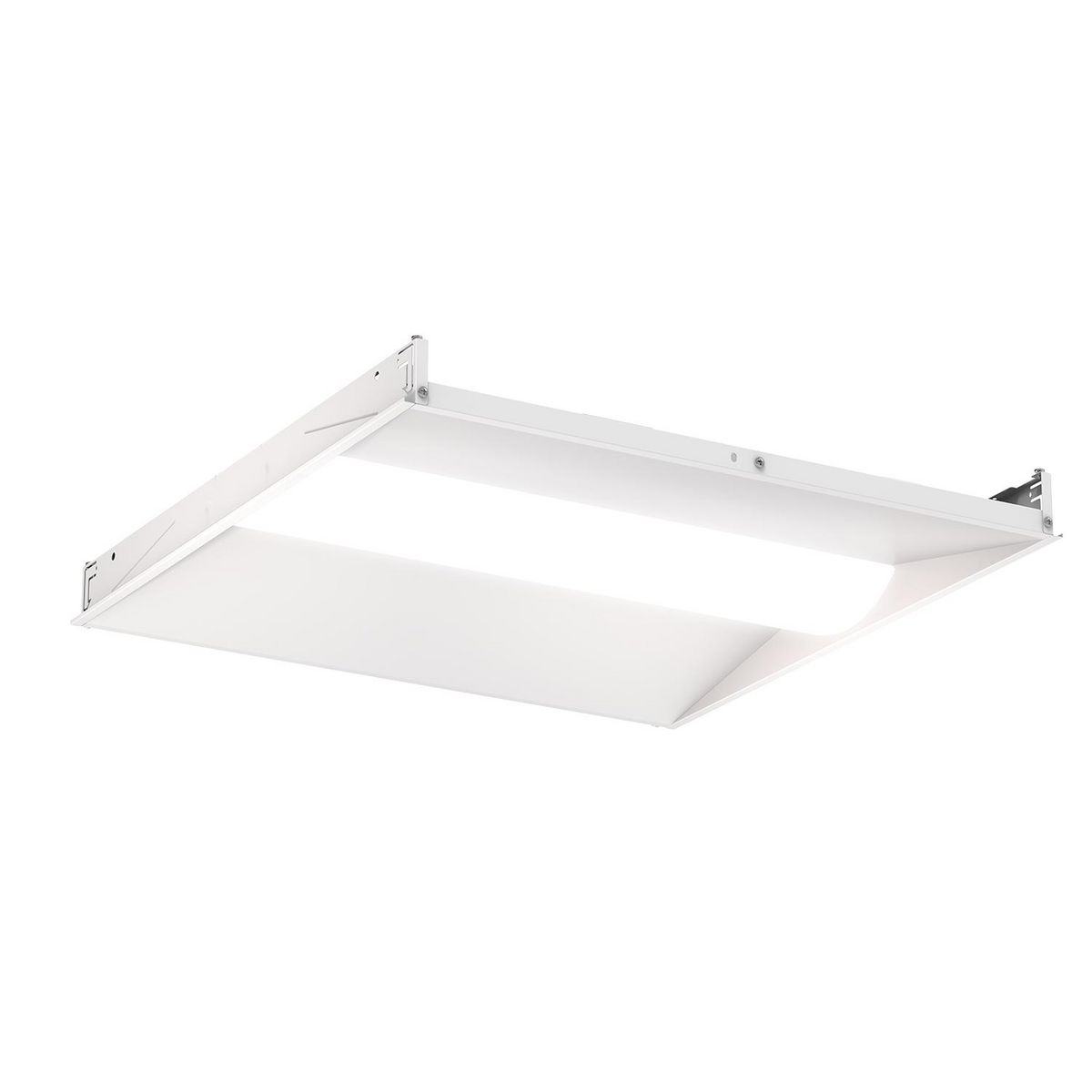
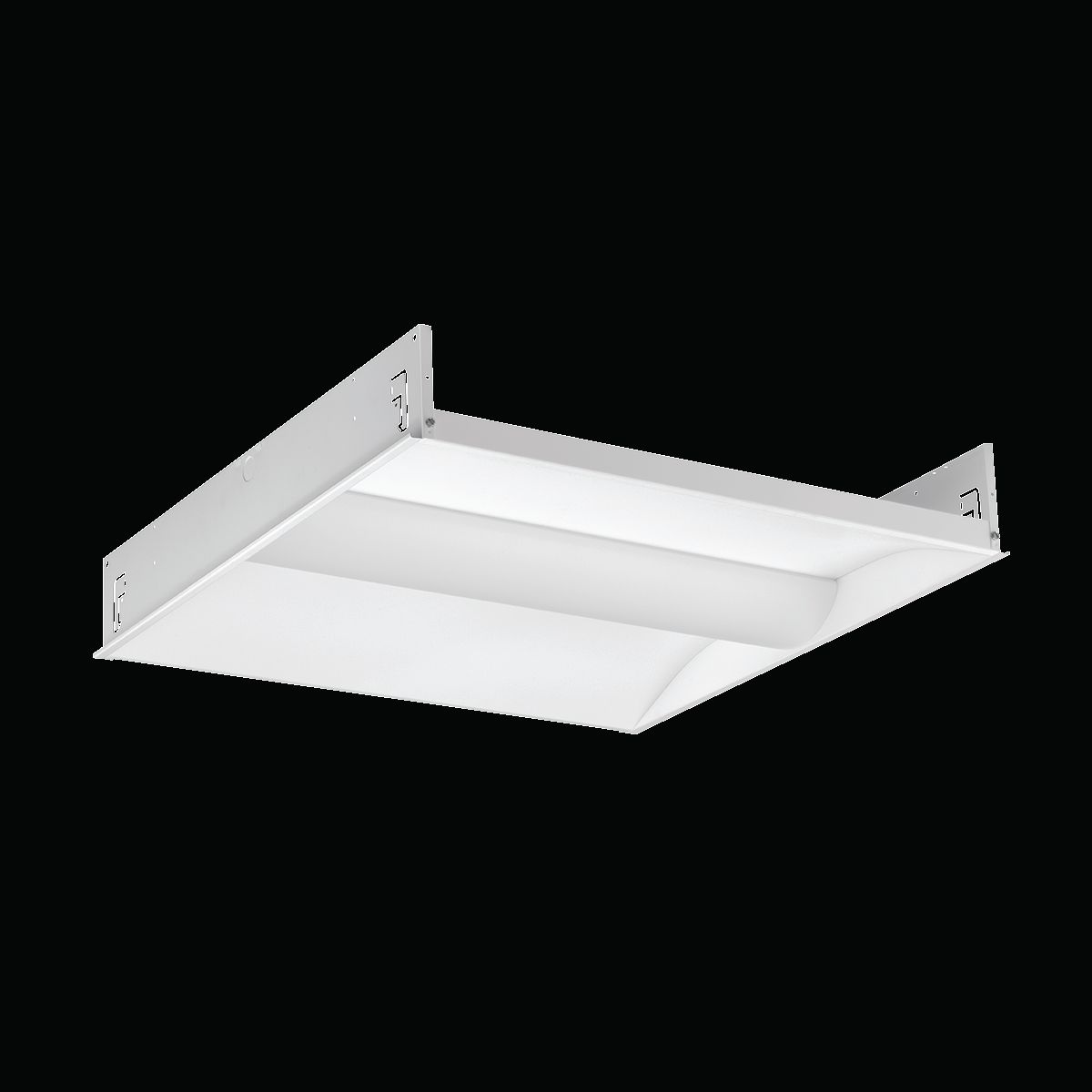
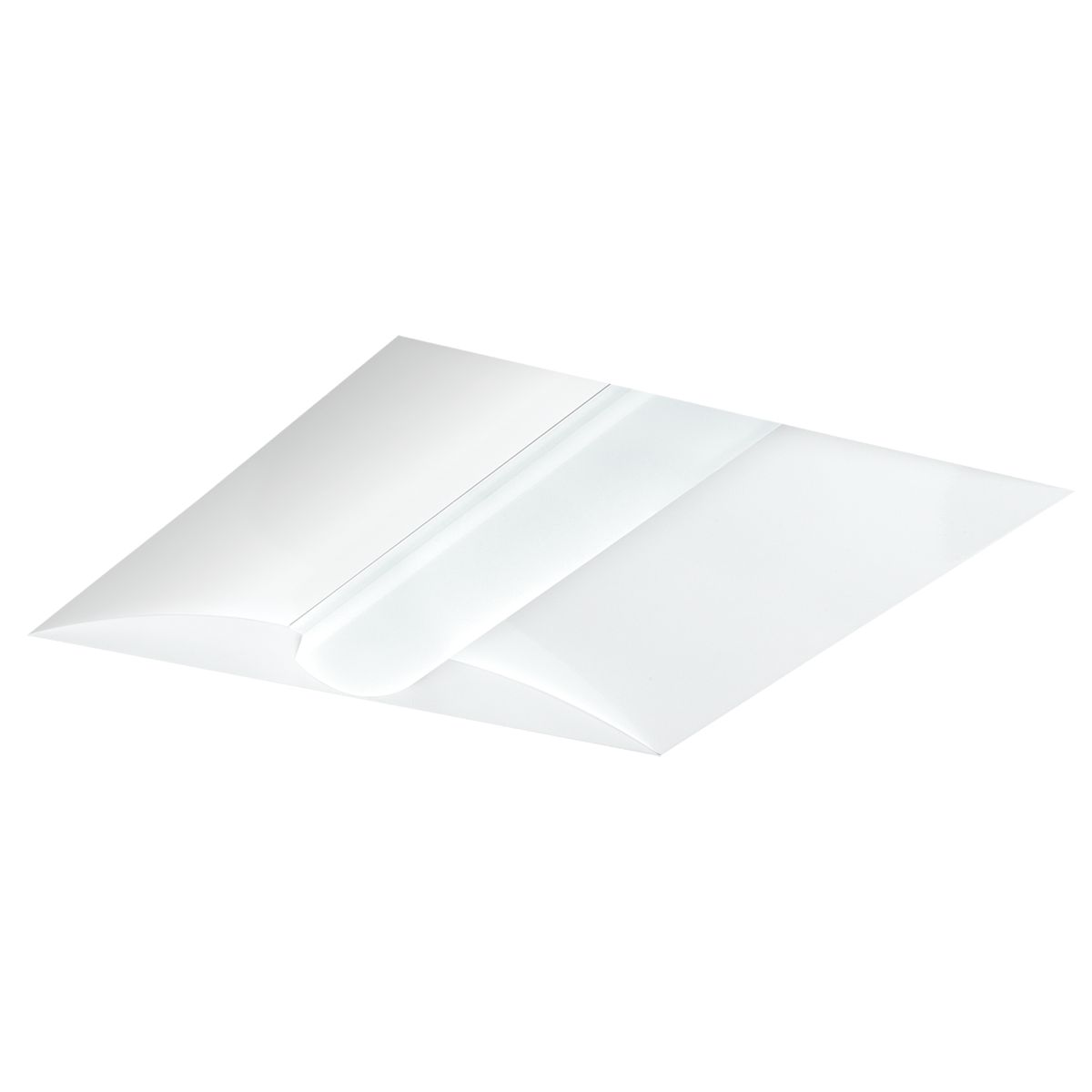
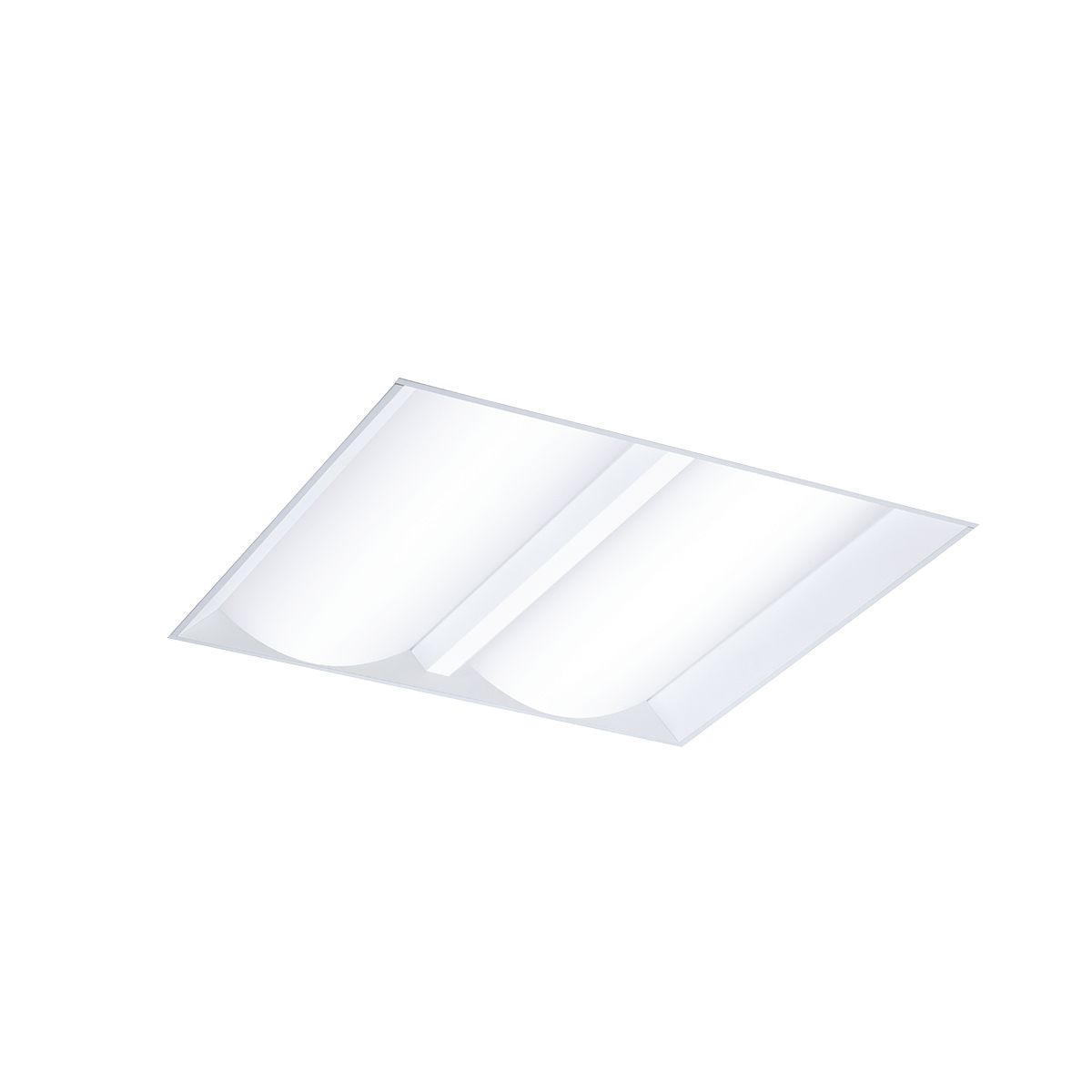
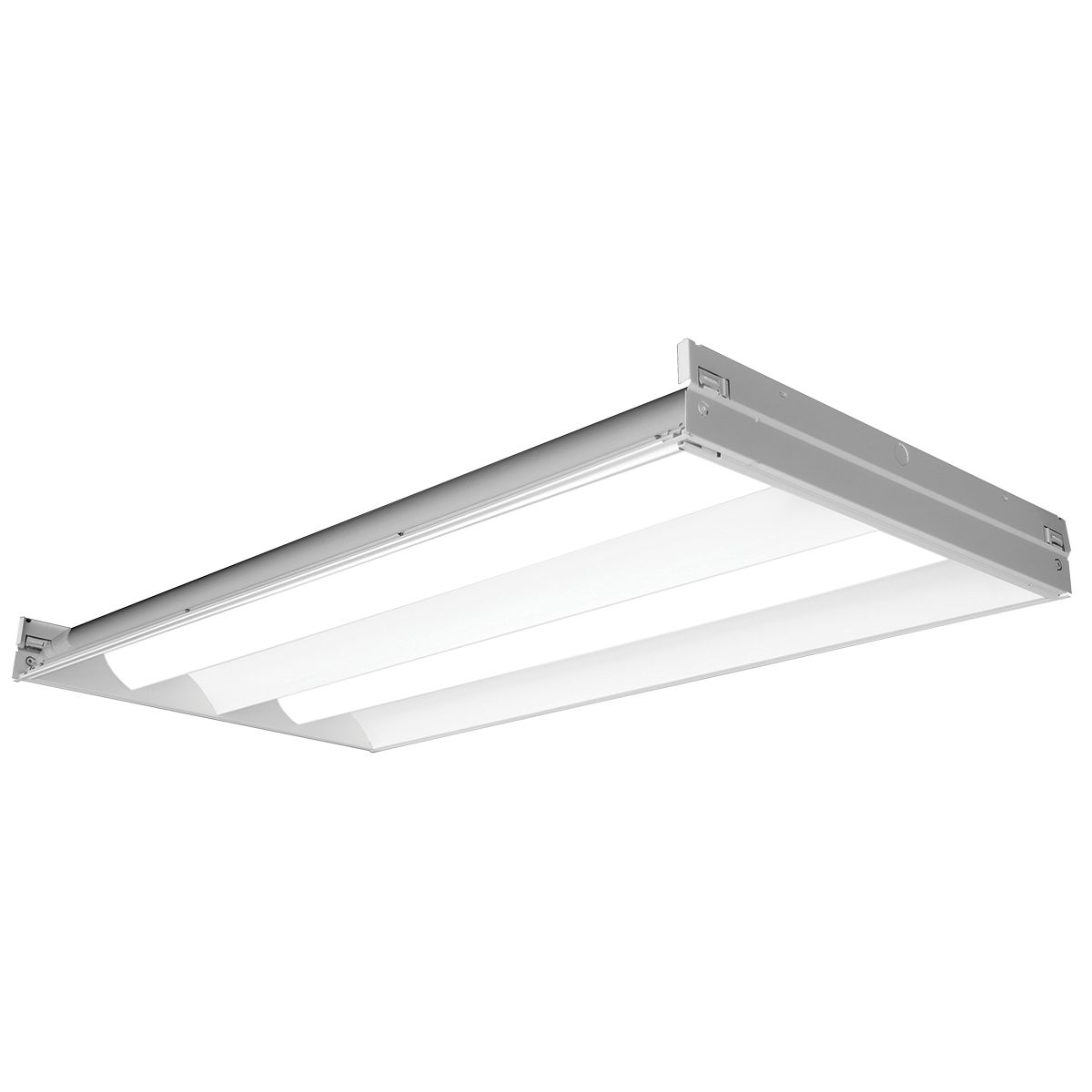
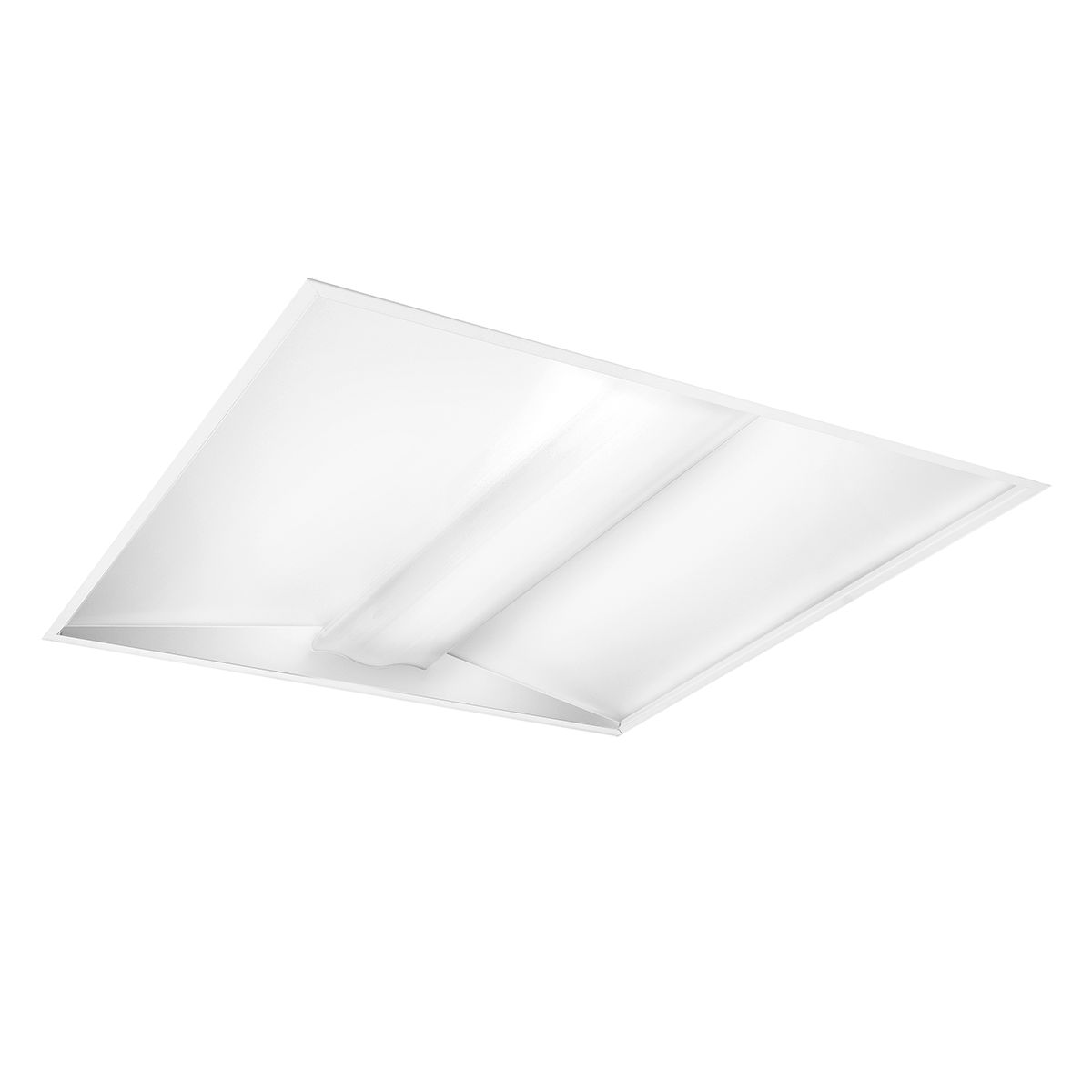
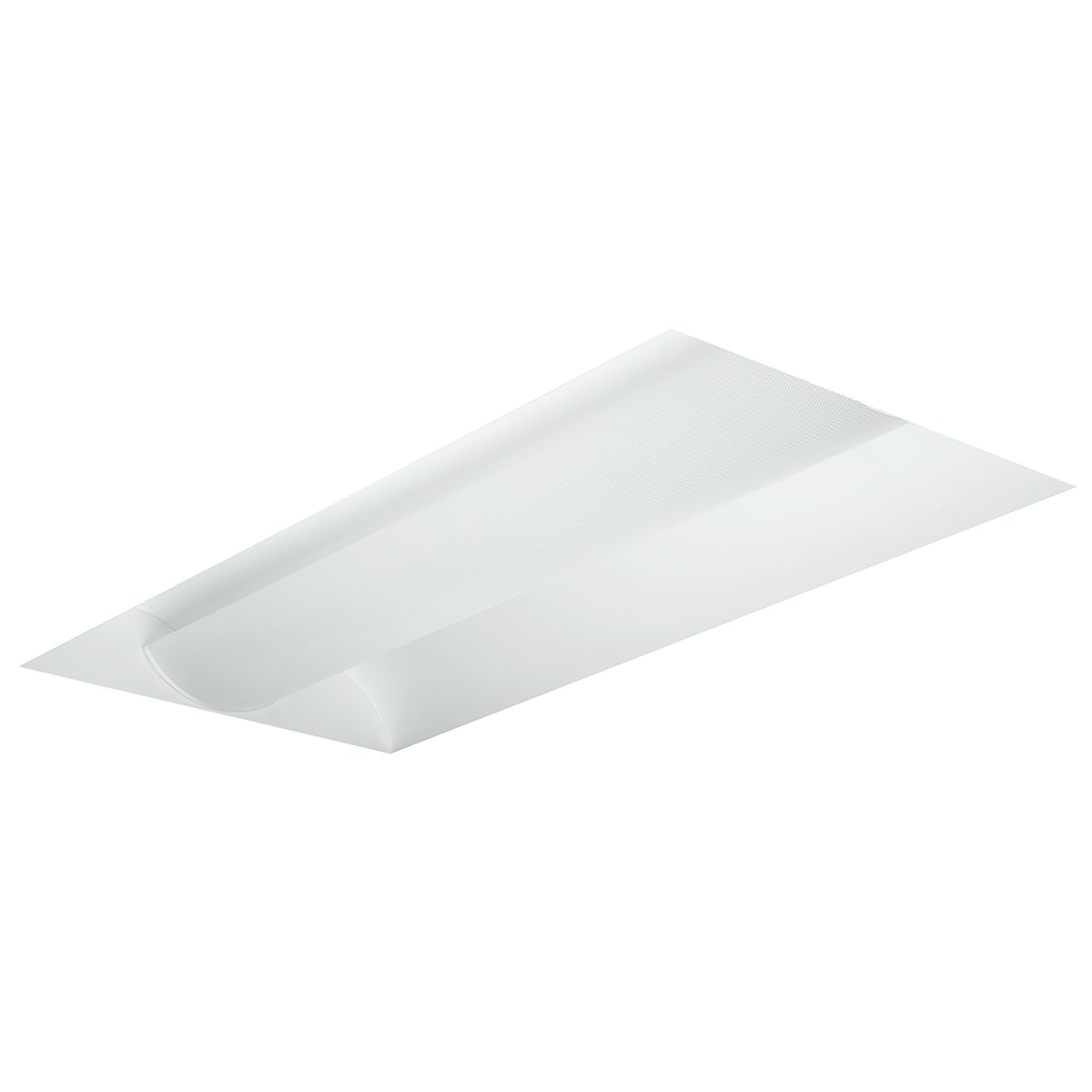
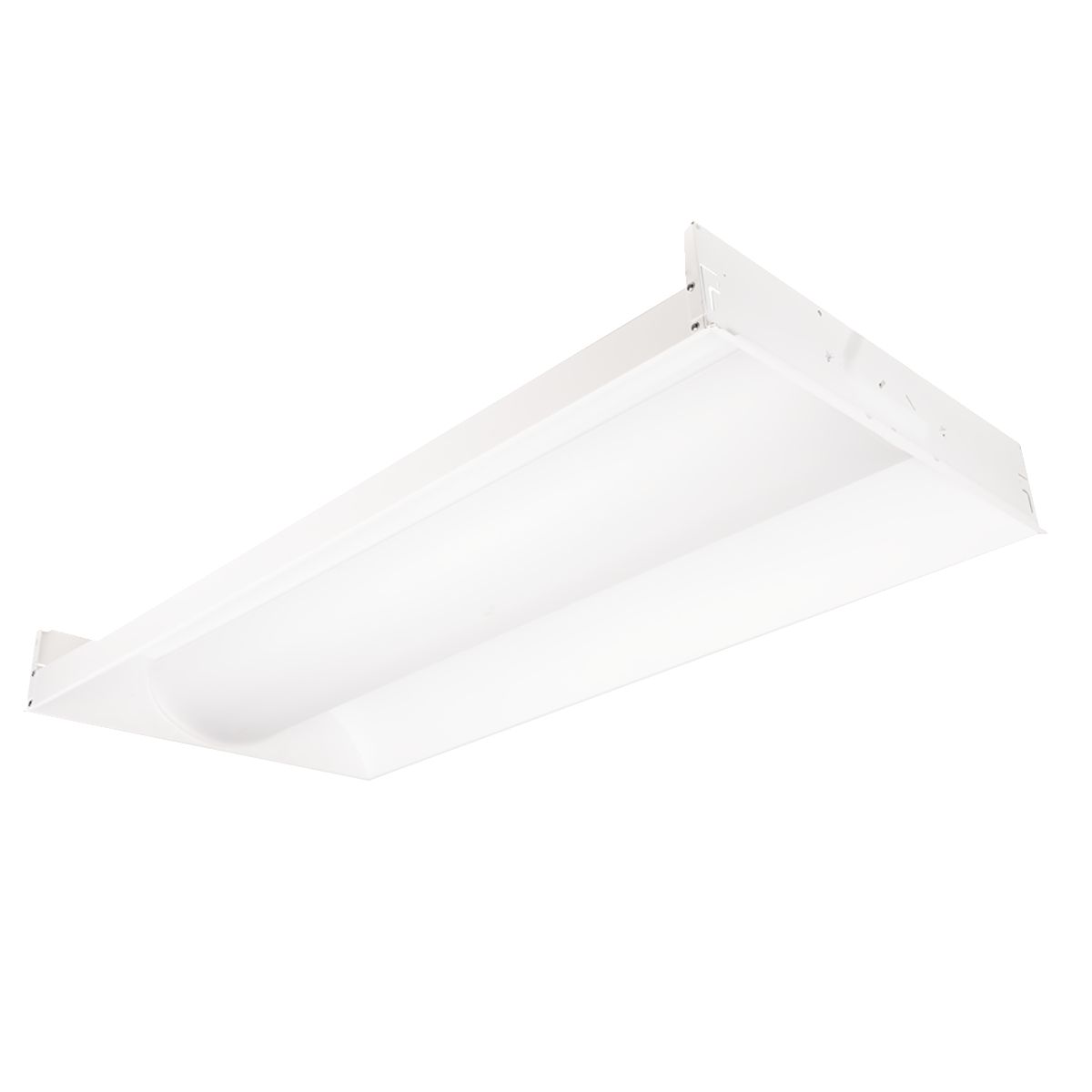
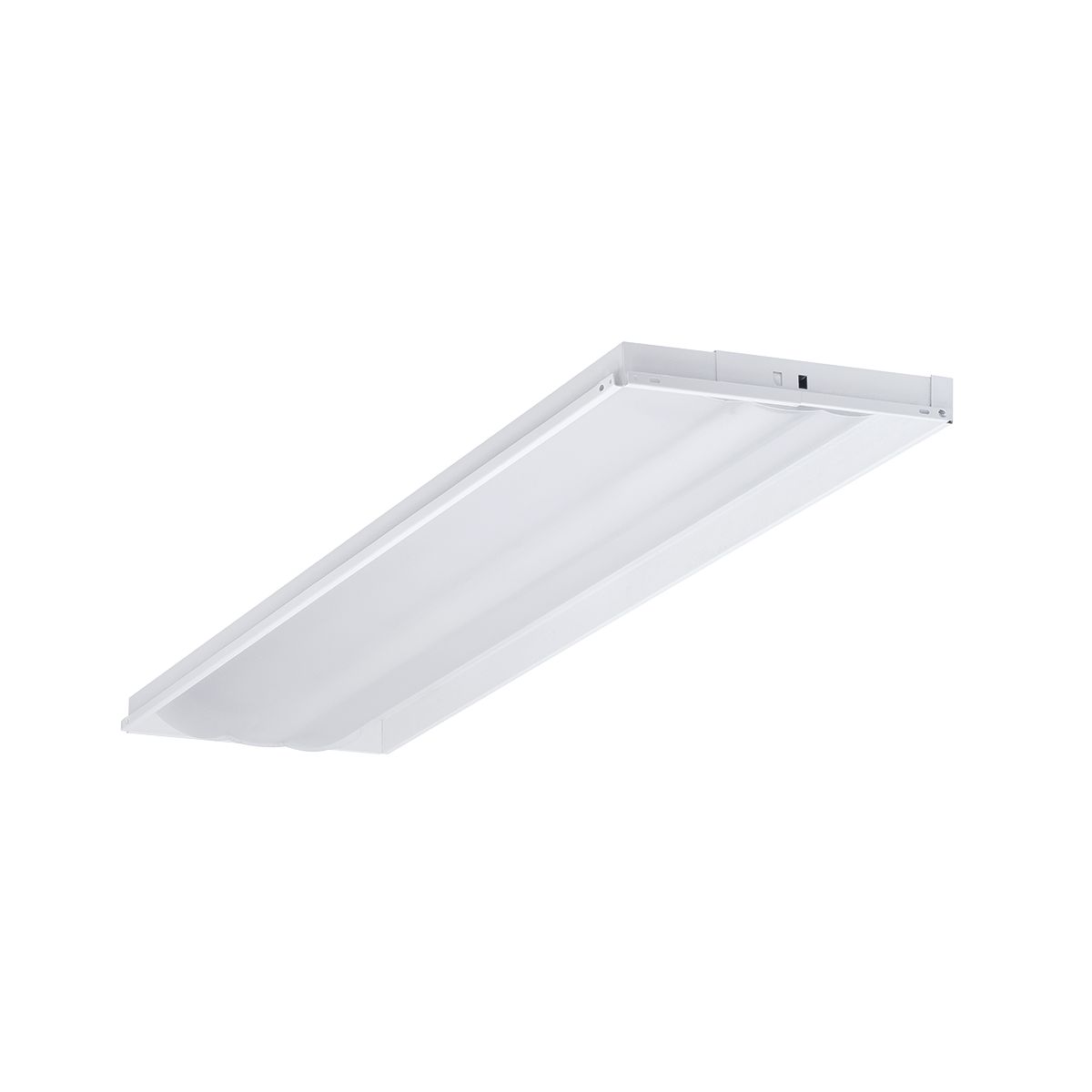
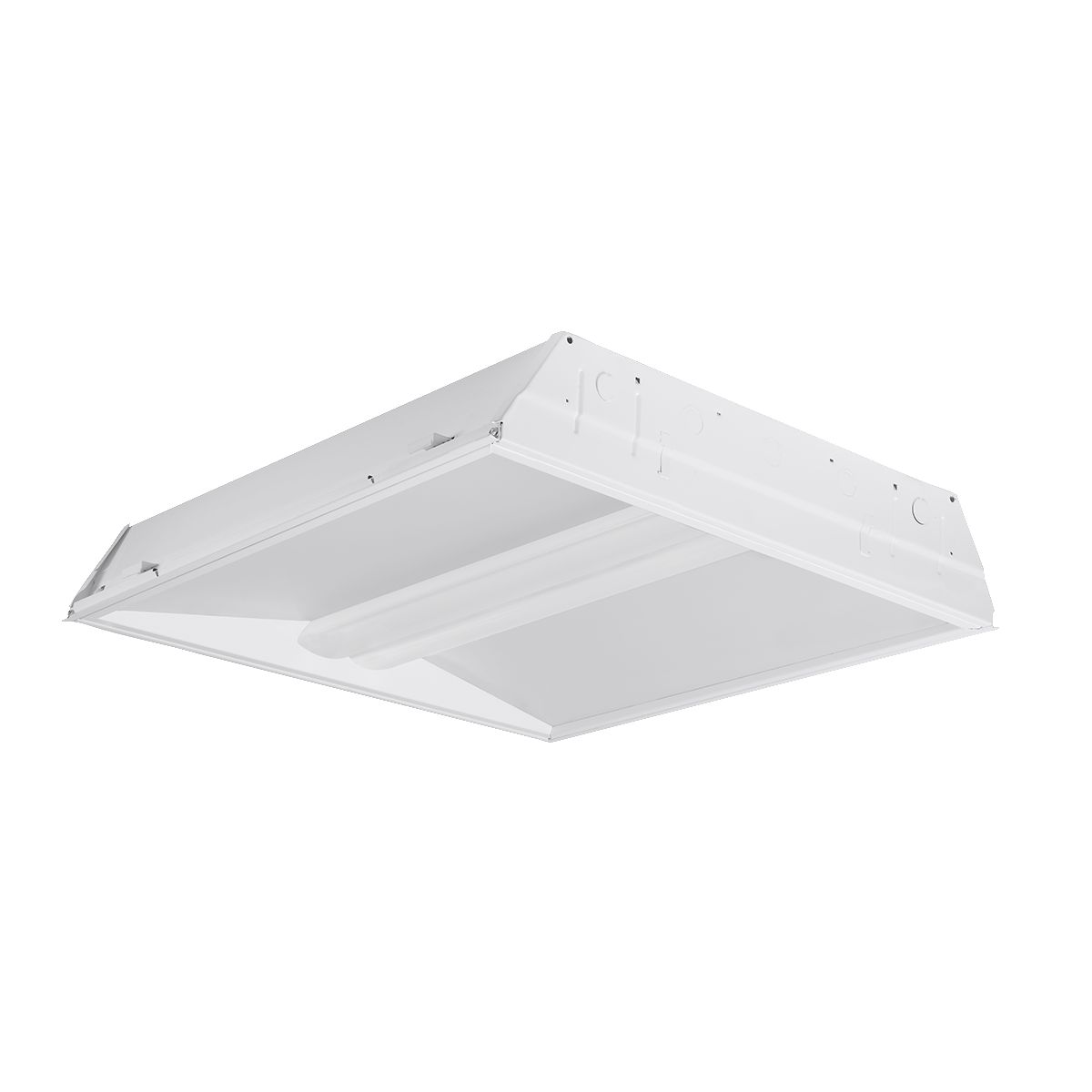
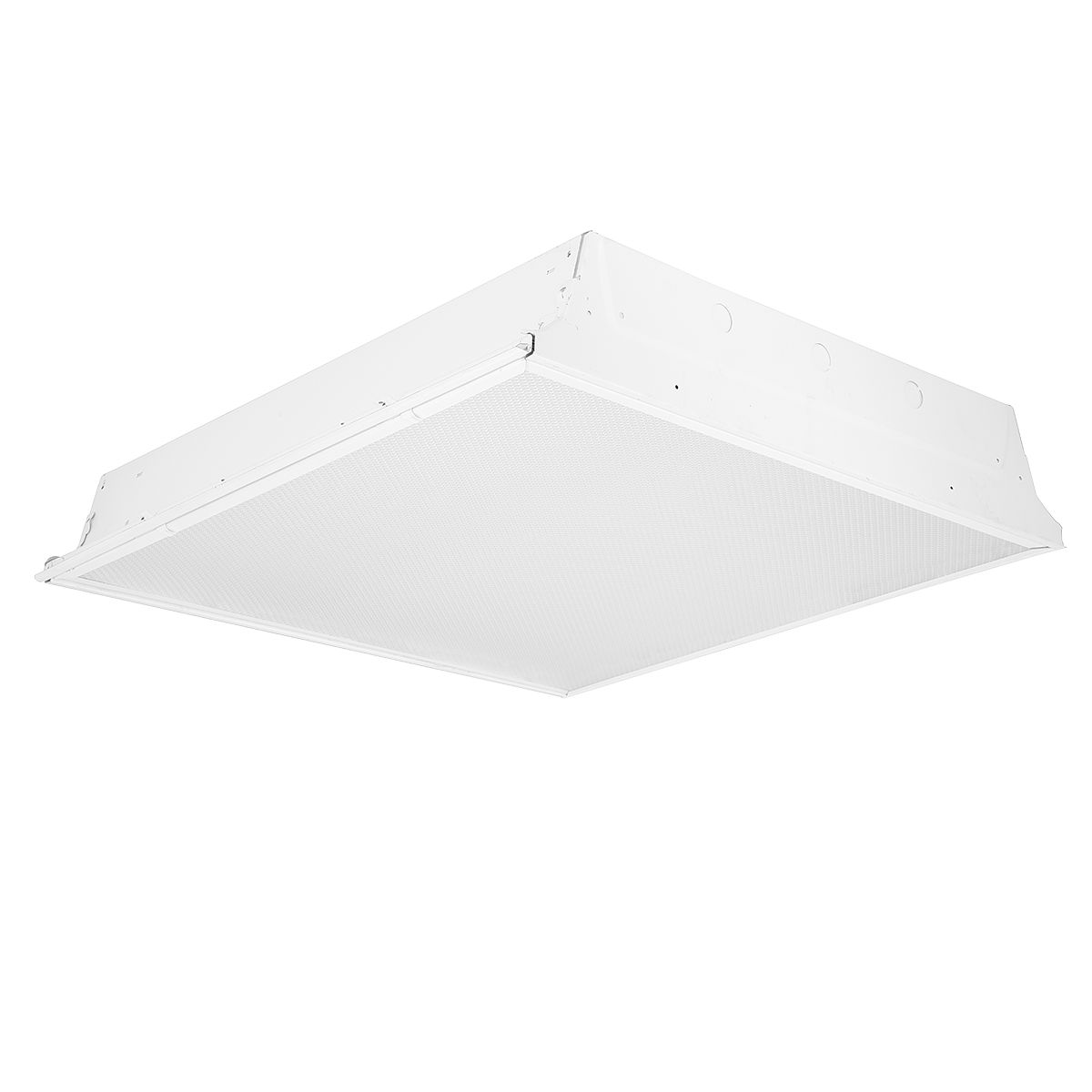
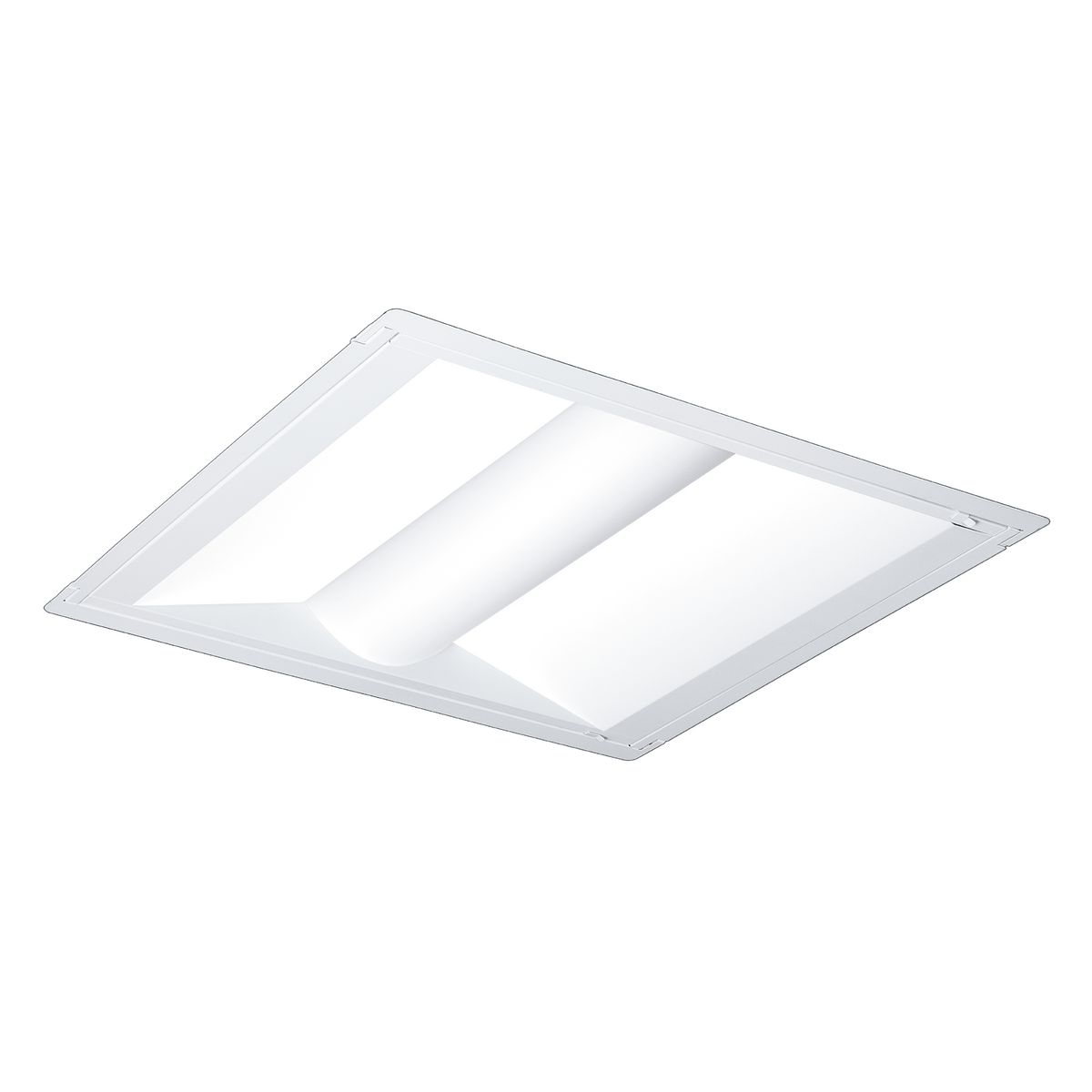
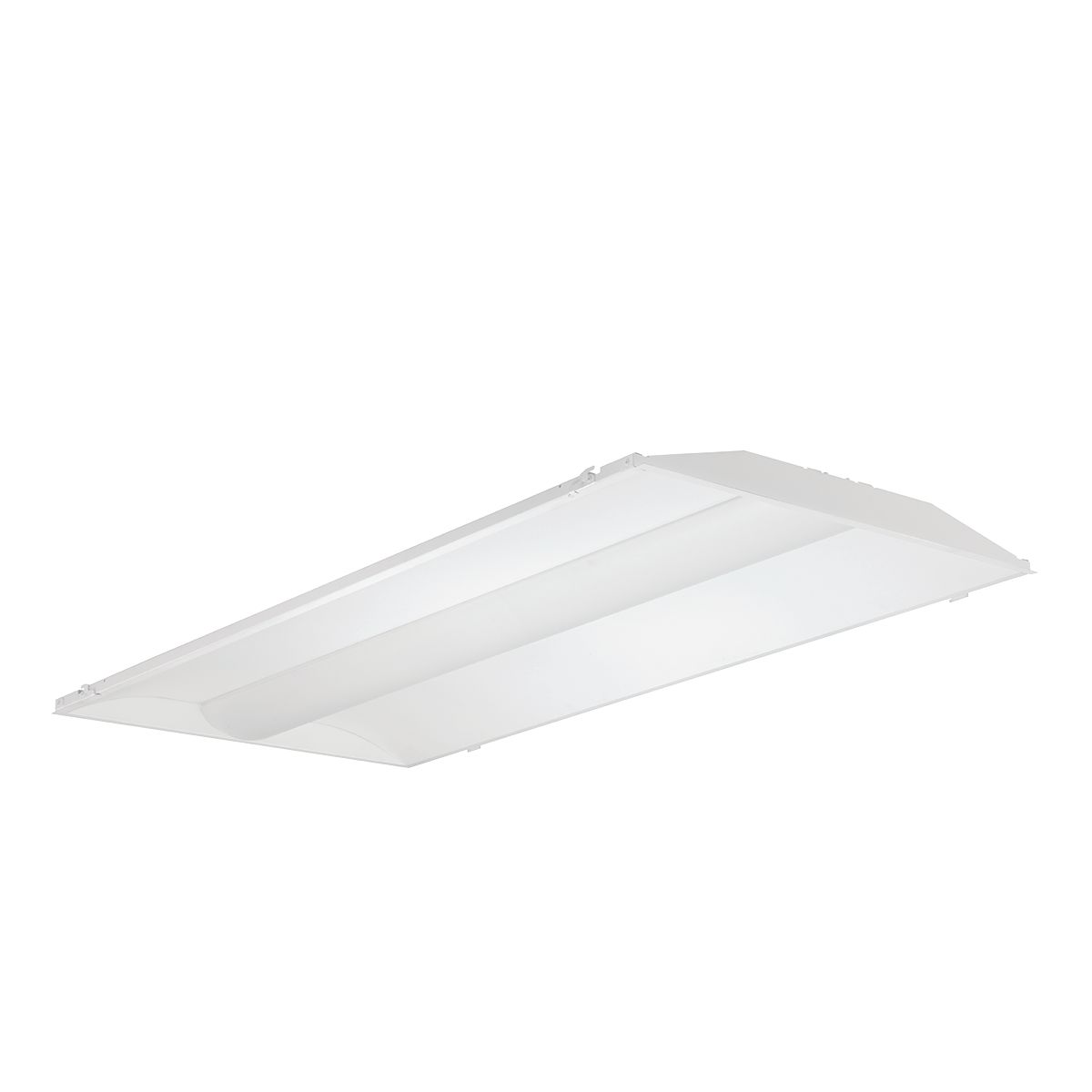
<p><em>May 15, 2012: Greenville, SC</em> Alera Lighting rolls out a new radial shielding family designed for its center optic curvature suspended lighting system. Available for shipment within 10 business days as part of Alera Express, the new Curv lenses and shieldings feature a modern aesthetic in a variety of designs. The Curv radial baffle option employs either solid radial blades or contemporary light-infused perforated baffles to illuminate a variety of workplace, educational, and healthcare environments. The clean, smooth lines of the Curv radial lens suggest sophistication and artistry. Offering unparalleled light source obscuration with efficiencies in the low 90s, this softly glowing lens can be used in even the most restrictive applications. The shielding family is rounded out with the Curv louvered design that reveals a splash of hip metallic shine at its silver center. Each lens is available with a variety of end caps to further personalize and enrich its appearance. The entire collection improves upon not only the eye-appeal, but also upon efficiency, a primary concern for the design community when considering current restrictions on power density. With integrated daylight sensor technology, energy savings is achieved as the light output is controlled by the amount of available daylight. The Curv Radial lens or baffles then seamlessly combine uplight, downlight, and available daylight to create the ideal environment for working and learning.</p>
<p><span id="more-2353"></span>Beginning today, the Curv Radial product offering is available on Alera Express Quick Ship, Alera Lighting&#8217;s 10-day shipment program. Products available on Alera Express include a 24-hour turn-around on project drawings and are supported by an online row configurator for quick and easy rough-in data. Upgrade your look now and start reaping the benefits of this ultra efficient, code compliant lighting option. Equipped with the Quick Connect wiring system, installation is quick and simple to please contractors, distributors, and specifiers alike.</p>
<p>For more information about Alera, visit <a href="http://www.aleralighting.com/">www.aleralighting.com</a>. Alera Lighting is a division of Hubbell Lighting, 701 Millennium Boulevard, Greenville, SC. Phone: 864-678-1000.</p>
]]></content:encoded>
			<wfw:commentRss>http://www.columbialighting.com/blog/?feed=rss2&#038;p=2353</wfw:commentRss>
		<slash:comments>0</slash:comments>
		</item>
		<item>
		<title>How We Learn: Part Two</title>
		<link>http://www.columbialighting.com/blog/?p=491</link>
		<comments>http://www.columbialighting.com/blog/?p=491#comments</comments>
		<pubDate>Thu, 10 May 2012 12:00:18 +0000</pubDate>
		<dc:creator>cbolt</dc:creator>
				<category><![CDATA[Education]]></category>
		<category><![CDATA[brain]]></category>
		<category><![CDATA[How we learn]]></category>
		<category><![CDATA[mind]]></category>
		<category><![CDATA[neurocognitive]]></category>

		<guid isPermaLink="false">http://www.columbialighting.com/blog/?p=491</guid>
		<description><![CDATA[The brain is a dynamic organ. Neurocognitive research has produced evidence that both developing and mature brains are structurally altered during learning. The weight and thickness of the cortex, the structure of nerve cells and in some instances the capillaries supplying blood to the nerve cells are altered appropriate to the task. This occurs during [...]]]></description>
			<content:encoded><![CDATA[<p><a href="http://www.columbialighting.com/blog/wp-content/uploads/2010/09/puzzell_piece.jpg"><img class="alignleft size-full wp-image-494" title="puzzell_piece" src="http://www.columbialighting.com/blog/wp-content/uploads/2010/09/puzzell_piece.jpg" alt="" width="600" height="403" /></a></p>
<p>The brain is a dynamic organ. Neurocognitive research has produced evidence that both developing and mature brains are structurally altered during learning. The weight and thickness of the cortex, the structure of nerve cells and in some instances the capillaries supplying blood to the nerve cells are altered appropriate to the task. This occurs during the integrating or evaluation process. These physical changes resulting from our processing information are part of an exciting new area of research on how our brains can be rewired. A brain injury or loss of one of our senses can be compensated for over time by a physical rewiring of the brain. This can be positively affected by specific learning techniques to accelerate and improve the rewiring results. The implication is that focused or narrow learning will ultimately create a very different neural network than a broad or general education. This would impact problem solving and slow the processing of any information that is unrelated to a persons narrow field of knowledge. Conversely learning related to the narrow but deep knowledge already understood by that person would be understood and processed quicker than someone else with a more generalized education. This relates to the 7 Multiple Intelligences mentioned above and to all learning being built upon and involving a transfer from previous experiences.<br />
<span id="more-491"></span><br />
Teachers and students need to be careful about building new information on top of false beliefs and naïve understandings that we may have about some subjects. There is a book about a fish who wants to know what is happening on the land. He makes friends with a tadpole who grows into a frog and eventually goes out onto the land. The frog returns to the fish and describes things like birds, cows and people. The book shows pictures of the way that the fish is imagining the frogs descriptions. Each shows a fish-like form slightly adapted to accommodate the image imagined from what the frog has told him.  The fish envisions people looking like fish who walk on their tail-fins and birds look like fish with wings. This illustrates creative potential and the risk involved in building new information on current knowledge that is limited. An accurate understanding of lighting basics is necessary to build upon.</p>
<p>Fundamental classes are the most frequently scheduled and have the highest attendance  at lighting manufacturer’s education centers. At the Lighting Solutions Center we are often asked to provide a fundamentals session to begin a two or three day custom agenda for customers. Many attendees have years or even decades of lighting experience but want to refresh their knowledge or fill in any gaps they may have before an in-depth course begins.</p>
<p>Why are some teachers effective and others seem to have wasted your time?  We are all teachers but we learn and teach with varying degrees of effectiveness. Teaching our children, spouses, co-workers and friends can occur from conversation, example or with structured intent. When we consciously and proactively structure our education or curriculum we can maximize effectiveness.  Informed preparation, integrating proven methods such as those noted above and an understanding of the many other factors that contribute to learning improves retention and problem solving skills.</p>
<p>If you are trying to learn something new, think about the process and spend time reflecting or evaluating the information and then use it or teach it as soon and as often as possible. As a teacher, consider the responsibility inherent to your position. We have an obligation to understand how we learn so that we can teach effectively. Once we know how to teach effectively can there be any good reason not to?</p>
<p>What can be learned when people fall down?  The next time you find yourself walking while looking up at the lighting, please consider those fallen colleagues then reflect upon the event, think about times when you can use this example to keep yourself vertical &amp; act upon that information in the future. You will have learned from their experience and they will not have suffered in vain.</p>
<p>Read Part One of &#8220;How We Learn&#8221; <a href="http://www.columbialighting.com/blog/?p=437">here</a>.</p>
]]></content:encoded>
			<wfw:commentRss>http://www.columbialighting.com/blog/?feed=rss2&#038;p=491</wfw:commentRss>
		<slash:comments>0</slash:comments>
		</item>
		<item>
		<title>How We Learn: Part One</title>
		<link>http://www.columbialighting.com/blog/?p=437</link>
		<comments>http://www.columbialighting.com/blog/?p=437#comments</comments>
		<pubDate>Thu, 03 May 2012 12:00:23 +0000</pubDate>
		<dc:creator>Mark Lien</dc:creator>
				<category><![CDATA[Education]]></category>
		<category><![CDATA[focus]]></category>
		<category><![CDATA[learning]]></category>
		<category><![CDATA[lighting professionals]]></category>
		<category><![CDATA[lighting solutions center]]></category>
		<category><![CDATA[patterns]]></category>
		<category><![CDATA[trainining]]></category>

		<guid isPermaLink="false">http://www.columbialighting.com/blog/?p=437</guid>
		<description><![CDATA[What can be learned when people fall down? Where I work we have an amphitheater. When lighting folk enter they are initially impressed by the large room, then they proceed to gaze upward as they walk forward. There is a gradual slope with a few steps down to the stage. They fall down. This is [...]]]></description>
			<content:encoded><![CDATA[<p><a href="http://www.columbialighting.com/blog/wp-content/uploads/2010/08/crossing_sign.jpg"><img class="alignleft size-full wp-image-452" title="crossing_sign" src="http://www.columbialighting.com/blog/wp-content/uploads/2010/08/crossing_sign.jpg" alt="" width="525" height="394" /></a>What can be learned when people fall down? Where I work we have an amphitheater. When lighting folk enter they are initially impressed by the large room, then they proceed to gaze upward as they walk forward. There is a gradual slope with a few steps down to the stage. They fall down. This is funny in concept but instantly humbling for the injured. Lighting professionals who are always looking up at the lighting are missing the bigger picture. The lighting is our focus and interest but narrowing our view excludes information that can be equally or more important. Out of compassion and fear of lawsuits we have installed contrasting stair nosing and brighter lights marking the aisles. People still crumple to the carpet. To prevent future attendees from dropping in droves we now issue verbal cautions on entry.<br />
<span id="more-437"></span><br />
The people hearing our warnings at least store the message in short term memory and safely take their seats. The ones who hit the floor likely store that painful warning as a more permanent memory. At least while in this amphitheatre they have learned to be cautious about watching their step. Some may make the mental leap to always be careful walking while looking up as a result of their carpet dive. This assimilated information alters our behavior and survivors adapt. We are learning unintentionally with varying degrees of effectiveness.</p>
<p>Your brain does not care whether you want to learn or teach, it won’t stop doing either. We do not have to even think about the processes, but both learning and teaching are more effective when we do. Learning comes whether we are conscious of it or not but when it is focused, relevant, interesting and/or experiential, retention improves. To continue to exist implies learning. It is an automatic brain (survival) process that is unavoidable.</p>
<p>How do we make the teaching and learning processes more effective? What can current research reveal about how people learn and how the brain processes information? Scientific theories about education hope to clarify intelligence, explain how it is achieved and can be measured. Howard Gardner has been writing on this subject since 1973. For the past 25 years he has been refining his work on “Multiple Intelligences”. He states that traditional psychometric testing cannot reveal what makes a musician great or who has the ability to be a chess champion because the focus of traditional views of intelligence intrinsic to our testing processes is too narrow.  He expands it to include 7areas of intelligence, Musical, Bodily, Logical/Mathematical, Linguistic, Spatial, Interpersonal and Intrapersonal. After broadening and redefining the definition of intelligence he then proposes methods and metrics for effective teaching in each area. Application in the lighting industry is less aligned with musical and bodily (for most of us lighting is a sedentary profession) but the other 5 areas can be intentionally integrated into the curriculum and measured for effectiveness.</p>
<p>Multiple authors investigating the learning process or how to understand understanding, present the necessary components of deep learning. This learning cycle is sequential and usually includes experience as a primary element. This is evidenced by the learning curve above for people that fall in the amphitheatre. A second part of the cycle would be reflection. We need to think about what we have learned to improve retention and comprehension. This should lead to the third part of the cycle which is the abstraction of being able to see how the experience relates to other experiences. If the person who fell can relate that to other times that they are looking up at the cost of falling down, they have learned something that will help them when confronted with similar situations. The fourth part of the cycle is testing. If we enter another amphitheatre with caution and see that by being conscious of the stair pattern we prevented falling then our brains retention is enhanced or secured. This four step process works best when the learner and teacher are conscious of it. It applies to the educational process inclusive of lighting but with ramifications to all personal growth.</p>
<p>This four step learning process parallels the latest brain mapping research. The cerebra cortex of our brain has three functions, sensing, integrating and motor (movement). Think of experience as an aspect of sensing and integrating correlates to both reflection and abstraction as the brain evaluates the information that the senses have provided. The active testing function of the cerebral cortex corresponds to movement or motor functions as we generate actions that put our lessons into practice. These sense-integrate and act functions are seen in nervous systems from simple animals to the human brain. Brain mapping research validates the structure of the four step learning cycle to improve retention and the ability to apply learned information.</p>
<p>Read Part Two of &#8220;How We Learn&#8221; <a href="http://www.columbialighting.com/blog/?p=491">here.</a></p>
]]></content:encoded>
			<wfw:commentRss>http://www.columbialighting.com/blog/?feed=rss2&#038;p=437</wfw:commentRss>
		<slash:comments>0</slash:comments>
		</item>
		<item>
		<title>Something&#8217;s Growing in Vienna</title>
		<link>http://www.columbialighting.com/blog/?p=2336</link>
		<comments>http://www.columbialighting.com/blog/?p=2336#comments</comments>
		<pubDate>Tue, 01 May 2012 20:54:48 +0000</pubDate>
		<dc:creator>cbolt</dc:creator>
				<category><![CDATA[Products]]></category>
		<category><![CDATA[inhabitat]]></category>
		<category><![CDATA[mak museum]]></category>
		<category><![CDATA[ross lovegrove]]></category>
		<category><![CDATA[solar trees]]></category>
		<category><![CDATA[vienna]]></category>

		<guid isPermaLink="false">http://www.columbialighting.com/blog/?p=2336</guid>
		<description><![CDATA[The Mak Museum in Vienna will be unveiling some very unusual electronic &#8220;plant-life&#8221; this October. Ross Lovegrove&#8217;s Solar Trees project is a unique effort, which combines nature and technology. Learn more here. Image: Inhabitat.]]></description>
			<content:encoded><![CDATA[<p><a href="http://www.columbialighting.com/blog/wp-content/uploads/2012/05/rlovegrovesolartree5.jpg"><img class="alignnone size-full wp-image-2339" title="rlovegrovesolartree5" src="http://www.columbialighting.com/blog/wp-content/uploads/2012/05/rlovegrovesolartree5.jpg" alt="" width="537" height="400" /></a><br />
The Mak Museum in Vienna will be unveiling some very unusual electronic &#8220;plant-life&#8221; this October. Ross Lovegrove&#8217;s Solar Trees project is a unique effort, which combines nature and technology. <a href="http://inhabitat.com/ross-lovegrove-solar-trees-take-to-the-streets-of-vienna/" target="_blank">Learn more here</a>.</p>
<p>Image: <a href="http://inhabitat.com/ross-lovegrove-solar-trees-take-to-the-streets-of-vienna/" target="_blank">Inhabitat</a>.</p>
]]></content:encoded>
			<wfw:commentRss>http://www.columbialighting.com/blog/?feed=rss2&#038;p=2336</wfw:commentRss>
		<slash:comments>0</slash:comments>
		</item>
		<item>
		<title>Understanding the Science of Light</title>
		<link>http://www.columbialighting.com/blog/?p=2326</link>
		<comments>http://www.columbialighting.com/blog/?p=2326#comments</comments>
		<pubDate>Thu, 26 Apr 2012 19:36:01 +0000</pubDate>
		<dc:creator>cbolt</dc:creator>
				<category><![CDATA[Education]]></category>
		<category><![CDATA[eye]]></category>
		<category><![CDATA[human]]></category>
		<category><![CDATA[light]]></category>
		<category><![CDATA[light pollution]]></category>
		<category><![CDATA[national park service]]></category>
		<category><![CDATA[science]]></category>

		<guid isPermaLink="false">http://www.columbialighting.com/blog/?p=2326</guid>
		<description><![CDATA[If you work in the lighting industry or happen to be a fan of lighting in general (who isn&#8217;t, after all?) then you might find this resource from the National Park Service very interesting. This informative article will take you from how light is perceived by the human eye to an explanation of light pollution. [...]]]></description>
			<content:encoded><![CDATA[<p><a href="http://www.columbialighting.com/blog/wp-content/uploads/2012/04/Screen-Shot-2012-04-26-at-3.26.54-PM.png"><img class="wp-image-2327 alignnone" title="Screen Shot 2012-04-26 at 3.26.54 PM" src="http://www.columbialighting.com/blog/wp-content/uploads/2012/04/Screen-Shot-2012-04-26-at-3.26.54-PM.png" alt="" width="489" height="442" /></a></p>
<p>If you work in the lighting industry or happen to be a fan of lighting in general (who isn&#8217;t, after all?) then you might find <a href="http://www.nature.nps.gov/night/science.cfm" target="_blank">this resource </a>from the National Park Service very interesting. This informative article will take you from how light is perceived by the human eye to an explanation of light pollution. Visit the NPS page <a href="http://www.nature.nps.gov/night/science.cfm" target="_blank">here</a>.</p>
]]></content:encoded>
			<wfw:commentRss>http://www.columbialighting.com/blog/?feed=rss2&#038;p=2326</wfw:commentRss>
		<slash:comments>0</slash:comments>
		</item>
		<item>
		<title>DOE Report Compares Life-Cycle Energy Consumption of LED Lamps with Incumbent Lighting Technologies</title>
		<link>http://www.columbialighting.com/blog/?p=2322</link>
		<comments>http://www.columbialighting.com/blog/?p=2322#comments</comments>
		<pubDate>Tue, 24 Apr 2012 15:19:17 +0000</pubDate>
		<dc:creator>cbolt</dc:creator>
				<category><![CDATA[Industry Trends]]></category>
		<category><![CDATA[doe]]></category>
		<category><![CDATA[energywatch blog]]></category>
		<category><![CDATA[lamp]]></category>
		<category><![CDATA[LED]]></category>

		<guid isPermaLink="false">http://www.columbialighting.com/blog/?p=2322</guid>
		<description><![CDATA[From the EnergyWatch Blog: The first report, dealing with lifecycle energy consumption for replacement lamps, was recently published: Review of the Life-Cycle Energy Consumption of Incandescent, Compact Fluorescent, and LED Lamps. The second report will address luminaires as well, and also incorporate environmental impacts. The study found that, based on DOE’s assumption that the average LED [...]]]></description>
			<content:encoded><![CDATA[<p>From the <a href="http://www.energywatchblog.com/" target="_blank">EnergyWatch Blog</a>:</p>
<p>The first report, dealing with lifecycle energy consumption for replacement lamps, was recently published: <em>Review of the Life-Cycle Energy Consumption of Incandescent, Compact Fluorescent, and LED Lamps</em>. The second report will address luminaires as well, and also incorporate environmental impacts. The study found that, based on DOE’s assumption that the average LED lamp provides service life equivalent to about 22 incandescent lamps, the average LED lamp consumes 75% less energy than the average incandescent lamp. Based on DOE’s assumption that the average LED lamp’s service life is equivalent to three compact fluorescent lamps, the average lifecycle energy consumption of LED lamps is about the same as that for compact fluorescent.</p>
<p><a href="http://www1.eere.energy.gov/buildings/ssl/tech_reports.html" target="_blank">http://www1.eere.energy.gov/buildings/ssl/tech_reports.html</a></p>
]]></content:encoded>
			<wfw:commentRss>http://www.columbialighting.com/blog/?feed=rss2&#038;p=2322</wfw:commentRss>
		<slash:comments>1</slash:comments>
		</item>
		<item>
		<title>Latest Columbia Lighting Ads</title>
		<link>http://www.columbialighting.com/blog/?p=2315</link>
		<comments>http://www.columbialighting.com/blog/?p=2315#comments</comments>
		<pubDate>Thu, 19 Apr 2012 20:57:42 +0000</pubDate>
		<dc:creator>cbolt</dc:creator>
				<category><![CDATA[Products]]></category>
		<category><![CDATA[ad]]></category>
		<category><![CDATA[Columbia Lighting]]></category>
		<category><![CDATA[new campaign]]></category>

		<guid isPermaLink="false">http://www.columbialighting.com/blog/?p=2315</guid>
		<description><![CDATA[Check out Columbia Lighting&#8217;s new ad design. You&#8217;ll be seeing this and other similar ads in publications throughout the industry. Do you ever scan a QR code on an ad? We&#8217;d love to know. &#160;]]></description>
			<content:encoded><![CDATA[<p><a href="http://www.columbialighting.com/blog/wp-content/uploads/2012/04/columbia_serrano_march12_low.jpg"><img class="alignnone  wp-image-2316" title="columbia_serrano_march12_low" src="http://www.columbialighting.com/blog/wp-content/uploads/2012/04/columbia_serrano_march12_low.jpg" alt="" width="562" height="752" /></a></p>
<p>Check out Columbia Lighting&#8217;s new ad design. You&#8217;ll be seeing this and other similar ads in publications throughout the industry. Do you ever scan a QR code on an ad? We&#8217;d love to know.</p>
<p>&nbsp;</p>
]]></content:encoded>
			<wfw:commentRss>http://www.columbialighting.com/blog/?feed=rss2&#038;p=2315</wfw:commentRss>
		<slash:comments>0</slash:comments>
		</item>
		<item>
		<title>Notes from the Lighting Blogosphere</title>
		<link>http://www.columbialighting.com/blog/?p=2311</link>
		<comments>http://www.columbialighting.com/blog/?p=2311#comments</comments>
		<pubDate>Tue, 17 Apr 2012 21:11:02 +0000</pubDate>
		<dc:creator>cbolt</dc:creator>
				<category><![CDATA[Events]]></category>
		<category><![CDATA[diy lighting]]></category>
		<category><![CDATA[lighting news]]></category>
		<category><![CDATA[solar lamp]]></category>

		<guid isPermaLink="false">http://www.columbialighting.com/blog/?p=2311</guid>
		<description><![CDATA[Craving lighting news? Here is a round-up of several recent posts that we found interesting and informative: Nomad Solar Lamp Makes Off-Grid Lighting Easy San Diego Burger Joint Saves Electricity with LED Lighting Cool DIY Lighting Projects! &#160;]]></description>
			<content:encoded><![CDATA[<p><a href="http://www.columbialighting.com/blog/wp-content/uploads/2011/03/blogosphere.jpg"><img title="blogosphere" src="http://www.columbialighting.com/blog/wp-content/uploads/2011/03/blogosphere.jpg" alt="" width="600" height="424" /></a></p>
<p>Craving lighting news? Here is a round-up of several recent posts that we found interesting and informative:</p>
<ul>
<li><a href="http://www.treehugger.com/solar-technology/nomad-solar-lamp-makes-grid-lighting-easy.html" target="_blank">Nomad Solar Lamp Makes Off-Grid Lighting Easy</a></li>
<li><a href="http://www.zdnet.com/blog/green/san-diego-burger-joint-saves-electricity-with-led-lighting/20880" target="_blank">San Diego Burger Joint Saves Electricity with LED Lighting</a></li>
<li><a href="http://blog.lightopiaonline.com/lighting-photos/diy-lighting-at-its-best/" target="_blank">Cool DIY Lighting Projects! </a></li>
</ul>
<p>&nbsp;</p>
]]></content:encoded>
			<wfw:commentRss>http://www.columbialighting.com/blog/?feed=rss2&#038;p=2311</wfw:commentRss>
		<slash:comments>0</slash:comments>
		</item>
		<item>
		<title>Say Hello at LIGHTFAIR International 2012</title>
		<link>http://www.columbialighting.com/blog/?p=2299</link>
		<comments>http://www.columbialighting.com/blog/?p=2299#comments</comments>
		<pubDate>Thu, 12 Apr 2012 19:55:37 +0000</pubDate>
		<dc:creator>cbolt</dc:creator>
				<category><![CDATA[Events]]></category>
		<category><![CDATA[1921]]></category>
		<category><![CDATA[2012]]></category>
		<category><![CDATA[2421]]></category>
		<category><![CDATA[aia]]></category>
		<category><![CDATA[booth]]></category>
		<category><![CDATA[Columbia Lighting]]></category>
		<category><![CDATA[hubbell building automation]]></category>
		<category><![CDATA[Hubbell Lighting]]></category>
		<category><![CDATA[lfi]]></category>
		<category><![CDATA[lightfair internations]]></category>

		<guid isPermaLink="false">http://www.columbialighting.com/blog/?p=2299</guid>
		<description><![CDATA[If you have plans to visit LIGHTFAIR® International 2012 (May 9 -11) come by and say hello to the Columbia Lighting team. We can be found at booth #1921 (Hubbell Building Automation) and at AIA booth #2421. Hope to see you there! LIGHTFAIR® International (LFI) is the world’s largest annual architectural and commercial lighting trade show [...]]]></description>
			<content:encoded><![CDATA[<p><a href="http://www.columbialighting.com/blog/wp-content/uploads/2012/04/Screen-Shot-2012-04-12-at-3.26.02-PM.png"><img class="alignnone  wp-image-2300" title="Screen Shot 2012-04-12 at 3.26.02 PM" src="http://www.columbialighting.com/blog/wp-content/uploads/2012/04/Screen-Shot-2012-04-12-at-3.26.02-PM.png" alt="" width="570" height="335" /></a></p>
<p>If you have plans to visit LIGHTFAIR<sup>® </sup>International 2012 (May 9 -11) come by and say hello to the <a href="http://www.columbialighting.com/" target="_blank">Columbia Lighting</a> team. We can be found at booth #1921 (Hubbell Building Automation) and at AIA booth #2421. Hope to see you there!</p>
<p>LIGHTFAIR<sup>® </sup>International (LFI) is the world’s largest annual architectural and commercial lighting trade show and conference. LFI has a proven track record of bringing top international and domestic Architectural, Design, Engineering and Lighting professionals together with exhibitors from around the world.</p>
<div></div>
<div>
<p><a href="http://www.lightfair.com/lightfair/V40/index.cvn?id=10000" target="_blank">Learn more here</a>!</p>
</div>
]]></content:encoded>
			<wfw:commentRss>http://www.columbialighting.com/blog/?feed=rss2&#038;p=2299</wfw:commentRss>
		<slash:comments>0</slash:comments>
		</item>
		<item>
		<title>Amazing Northern Lights Timelapse</title>
		<link>http://www.columbialighting.com/blog/?p=2287</link>
		<comments>http://www.columbialighting.com/blog/?p=2287#comments</comments>
		<pubDate>Thu, 05 Apr 2012 19:13:47 +0000</pubDate>
		<dc:creator>cbolt</dc:creator>
				<category><![CDATA[Events]]></category>
		<category><![CDATA[amazing]]></category>
		<category><![CDATA[National Geographic]]></category>
		<category><![CDATA[nature]]></category>
		<category><![CDATA[northern lights]]></category>
		<category><![CDATA[phenomena]]></category>
		<category><![CDATA[phenomenon]]></category>

		<guid isPermaLink="false">http://www.columbialighting.com/blog/?p=2287</guid>
		<description><![CDATA[Here at blaze! we enjoy all things light related. The Northern Lights are one of the most amazing occurrences in nature. It is a dream of this blog contributor to see these lights in person one day! Enjoy a video of The Northern Lights over Norway here or by clicking on the image above.]]></description>
			<content:encoded><![CDATA[<p><a href="http://www.youtube.com/watch?v=FcfWsj9OnsI" target="_blank"><img class="alignnone  wp-image-2288" title="northern_lights" src="http://www.columbialighting.com/blog/wp-content/uploads/2012/04/northern_lights.jpg" alt="" width="574" height="292" /></a></p>
<p>Here at blaze! we enjoy all things light related. The Northern Lights are one of the most amazing occurrences in nature. It is a dream of this blog contributor to see these lights in person one day! Enjoy a <a href="http://www.youtube.com/watch?v=FcfWsj9OnsI" target="_blank">video of The Northern Lights over Norway here</a> or by clicking on the image above.</p>
]]></content:encoded>
			<wfw:commentRss>http://www.columbialighting.com/blog/?feed=rss2&#038;p=2287</wfw:commentRss>
		<slash:comments>0</slash:comments>
		</item>
	</channel>
</rss>